
The core idea
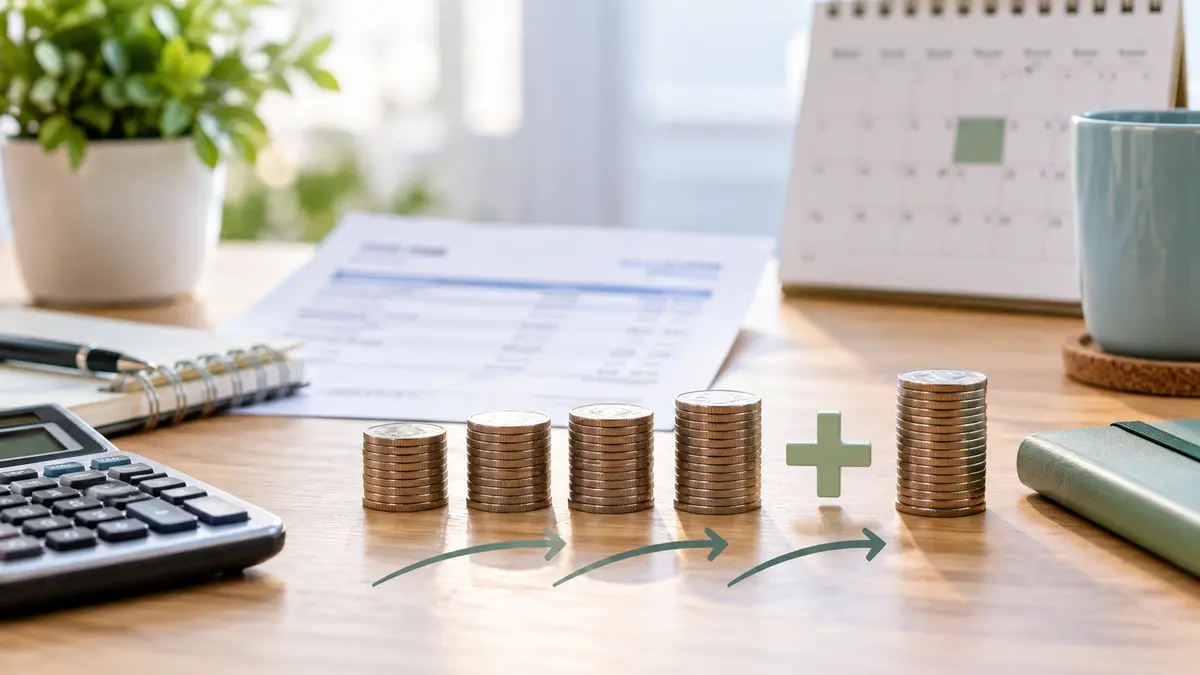
Interest is usually calculated from the remaining balance. When you pay extra toward principal, the future balance is lower. That can reduce the interest charged in later months and shorten the payoff timeline.
This is why timing matters. An extra payment made earlier in the payoff schedule can have more impact than the same payment made near the end, because it reduces the balance for more future months.
Small amounts can matter
An extra $25, $50, or $100 per month may not feel dramatic at first, but it can add up. The improvement often comes from repetition. A small amount paid every month can create a meaningful difference over a year or two.
The effect is strongest on higher-interest debts. If a balance has a high APR, reducing principal sooner can prevent more future interest from building.
Principal matters
The best result usually comes when extra payments reduce principal. If a lender simply advances the next due date, the interest savings may be smaller. This is especially important for installment loans such as auto loans and personal loans.
Check payment instructions. Some lenders allow principal-only payments online. Others require a note, a checkbox, or a separate process. If you are not sure, ask before sending extra money.
Which debt should get extra money
If you have multiple debts, consider sending extra money to the highest APR debt for interest savings or the smallest balance for motivation. The avalanche method focuses on math. The snowball method focuses on quick wins.
There is no shame in choosing the method you can stick with. The biggest mistake is spreading extra money so thinly that no balance changes much. A focused extra payment usually creates clearer progress.
Avoid overcommitting
A sustainable extra payment is better than an aggressive payment you cannot repeat. Keep enough cash for essentials and emergencies so you do not create new debt.
If your income changes month to month, choose a modest automatic extra payment and add one-time payments when money is available. That keeps the plan flexible without losing momentum.
Examples of extra payment sources
Extra payment money can come from a canceled subscription, a small side job, a tax refund, a bonus, selling unused items, or redirecting a payment from a debt you already paid off. The amount does not have to be perfect. It just has to reach the debt consistently.
When a debt is paid off, consider rolling its old payment into the next target. That keeps your total debt payment level steady while increasing pressure on the remaining balances.
Test several amounts
Use preset amounts like $25, $50, $100, and $200. Seeing the before-and-after timeline can make the payoff plan more concrete. The calculator helps you compare months saved and interest saved before deciding what monthly amount fits your budget.
Monthly extra payments vs lump sums
Monthly extra payments are powerful because they build a habit and reduce principal steadily. Lump sums can also help, especially if they arrive early in the payoff timeline. A tax refund, bonus, or sale of unused items can create a noticeable drop in balance.
You do not have to choose only one approach. Many people use a small automatic extra payment every month and add occasional lump sums when available. This creates progress without depending on perfect income every month.
What to track
Track the starting balance, payment amount, interest paid, and estimated payoff date. Update the numbers every few months. Tracking keeps motivation high because the benefit of extra payments is not always obvious after one payment.
If the payoff date moves closer or the interest estimate falls, the plan is working. If the balance is not falling as expected, check whether fees, new charges, or payment allocation rules are reducing the impact.
Use the related calculator
Turn this guide into a concrete estimate with the calculator built for this topic.
See Extra Payment Savings